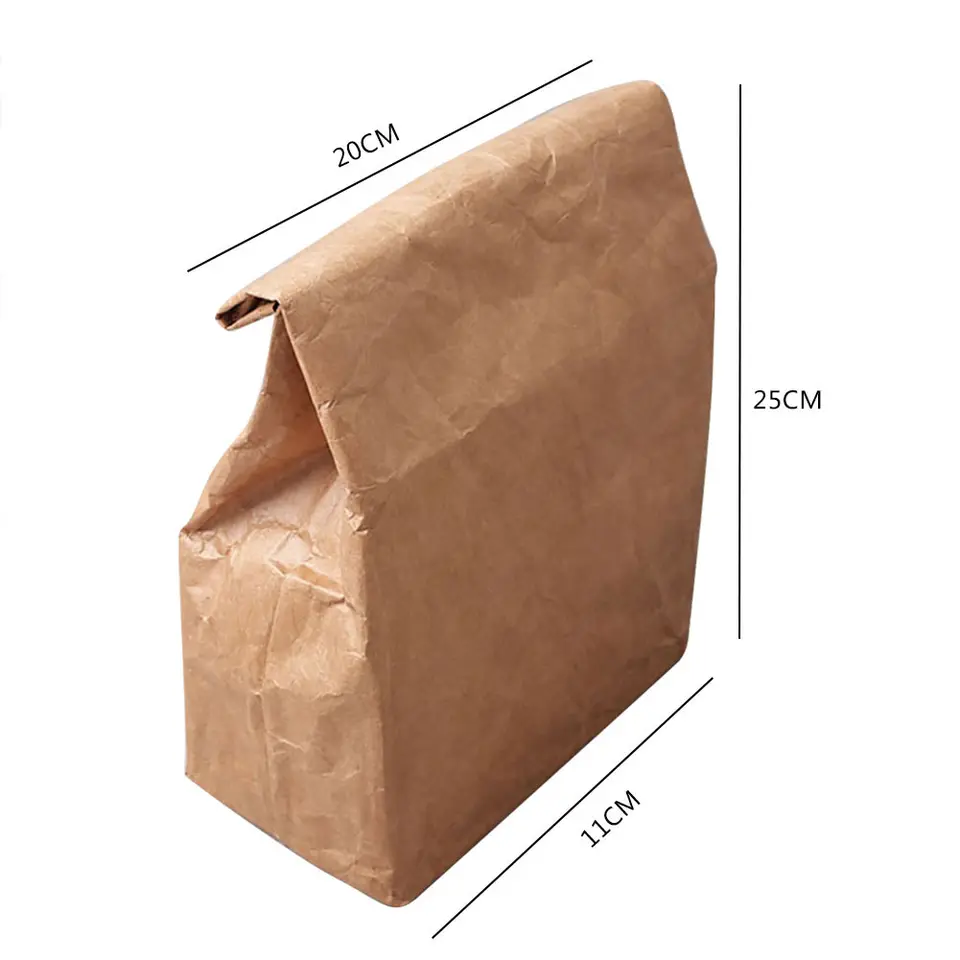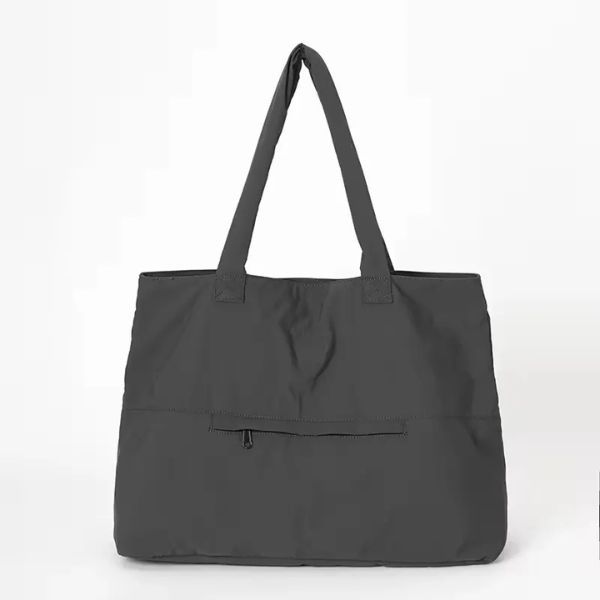
Choosing the right tote bag dimensions can make or break your project, whether you’re planning a corporate giveaway, retail promotion, or personal accessory line. Yet many people struggle with understanding how tote bag dimensions translate into real-world functionality, carrying capacity, and visual impact.
The challenge goes beyond simply picking a size that “looks right.” Dimensions directly affect printing areas, material requirements, production costs, and ultimately, how useful your tote bags will be for their intended purpose. A bag that’s too small won’t accommodate your target items, while one that’s too large might feel overwhelming or require unnecessarily heavy materials for structural integrity.
In this comprehensive guide, we’ll explore everything from standard tote bag sizes across different categories to industry-specific requirements and custom dimension considerations. By the end, you’ll have the knowledge to specify dimensions that perfectly match your functional needs and aesthetic goals.
What Are Tote Bag Dimensions?
At its core, a tote bag is a simple yet versatile carrying solution featuring parallel handles and an open-top design. However, the simplicity of this concept disguises the complexity of getting dimensions right for optimal performance and user satisfaction.
Tote bag dimensions significantly impact three critical factors: carrying capacity, available printing area, and suitability for different use scenarios. A well-dimensioned bag feels balanced in the hand, provides adequate space for intended contents, and offers enough surface area for effective branding or decorative elements.
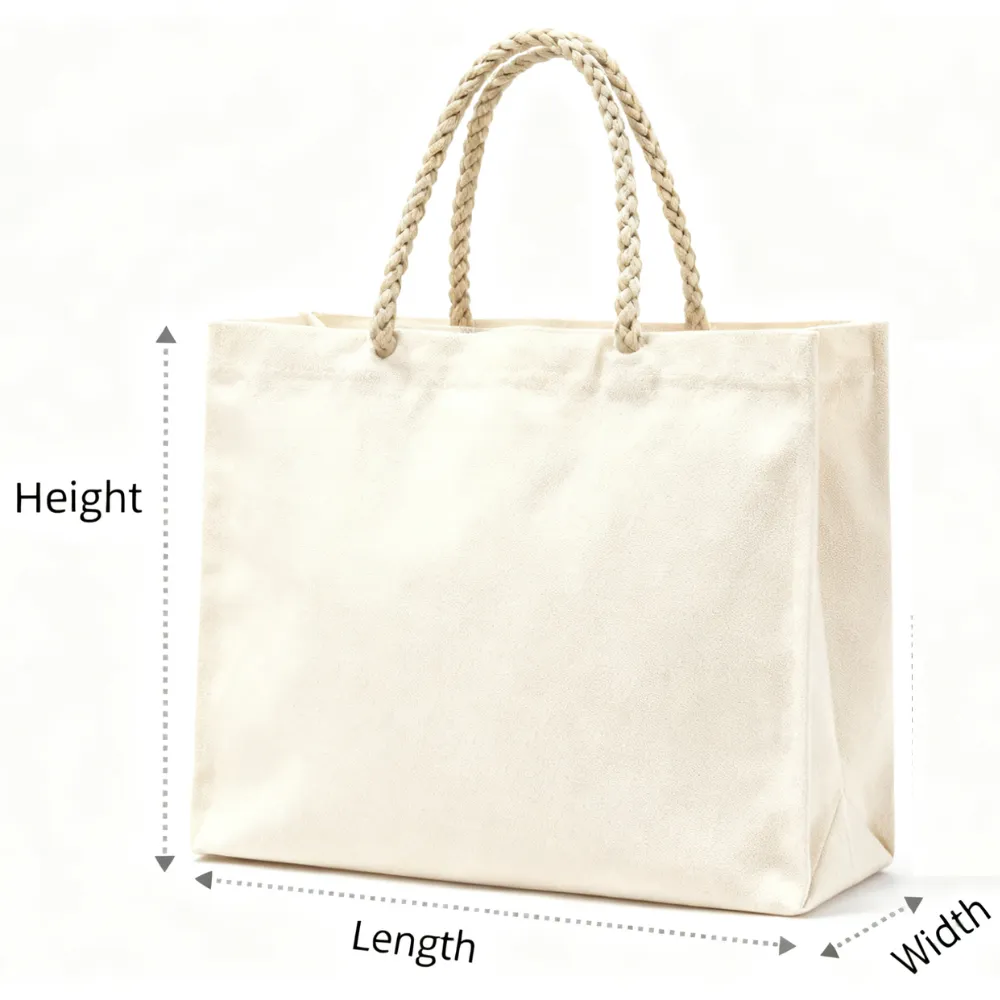
Industry professionals typically specify tote bag dimensions using three key measurements: Width × Height × Depth (W × H × D). Width refers to the measurement across the bag’s opening, height measures from the bottom to the top edge, and depth indicates how far the bag extends from front to back. Some manufacturers also specify gusset width – the measurement of the bag’s sides – which affects capacity and structural stability.
Understanding these measurements and how they interact helps you make informed decisions about both functional performance and aesthetic appeal, ensuring your tote bags serve their intended purpose effectively.
Standard Tote Bag Sizes
The tote bag market has naturally evolved around several standard size categories, each optimized for different use cases and user preferences. Understanding these categories helps you communicate effectively with suppliers and choose dimensions that align with user expectations.
Small Tote Bags
Small tote bags typically measure between 20-30cm in width and offer a compact, lightweight carrying solution. These dimensions make them perfect for specific applications where portability and convenience take priority over carrying capacity.
Common uses for small totes include gift bags for retail purchases, promotional items at trade shows, children’s activity bags, and compact lunch carriers. The smaller footprint makes them ideal when you want to provide a useful item without overwhelming recipients or requiring substantial material investment.
Material choices for small totes often include lightweight options like canvas, cotton, non-woven polypropylene, or light nylon. These materials provide adequate strength for the reduced loads small bags typically carry while keeping production costs reasonable and the finished product easy to handle.
Medium Tote Bags
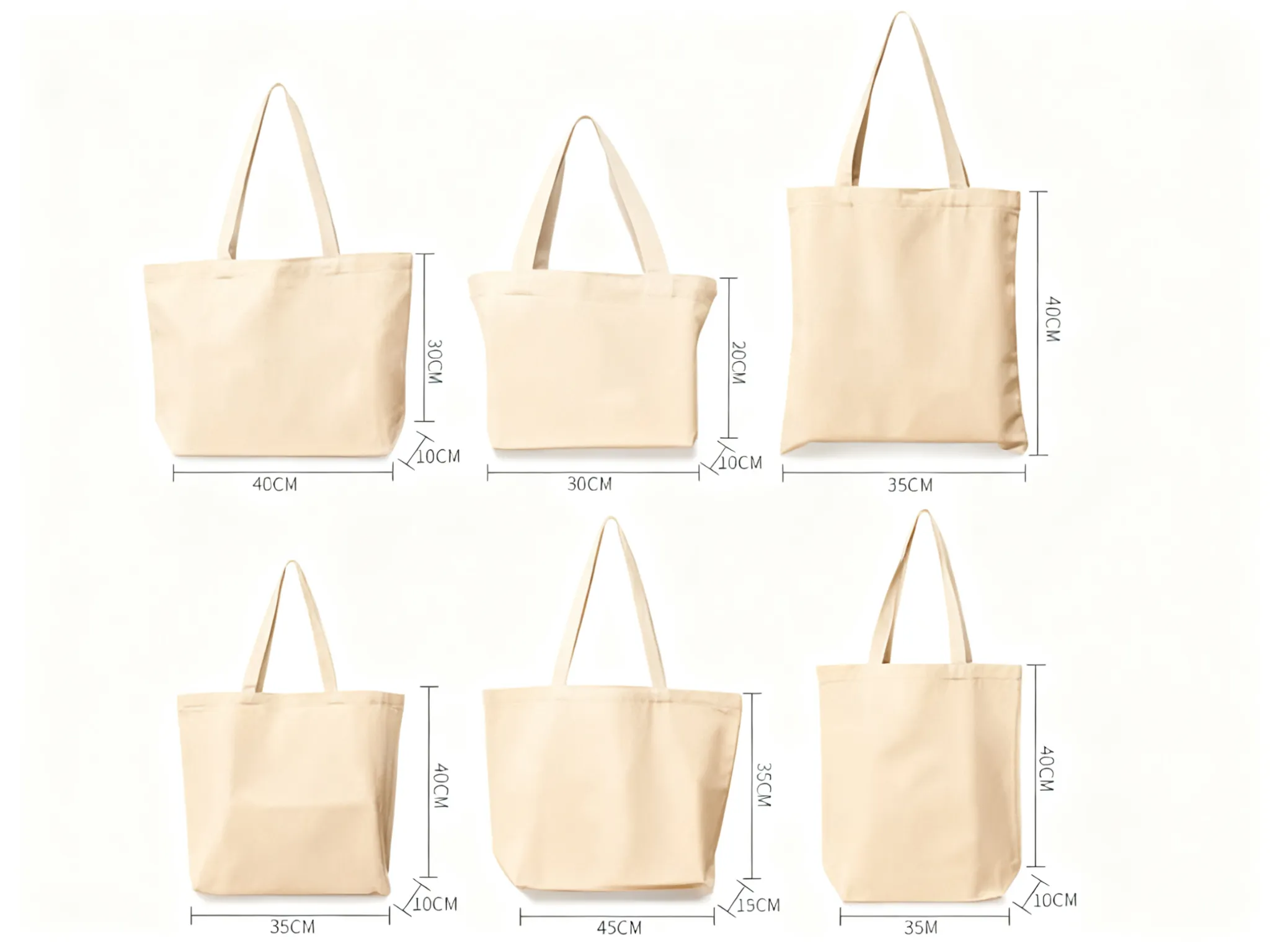
Medium tote bags, usually ranging from 35-40cm in width, represent the sweet spot for many commercial applications. This size category balances practicality with manageable production costs, making them extremely popular for corporate events, promotional campaigns, and everyday use.
The medium size provides excellent real estate for logo placement and brand messaging while remaining comfortable for extended carrying. They’re large enough to accommodate laptops, documents, books, or shopping items without becoming unwieldy or requiring excessive material thickness for structural integrity.
This size category works well with a broader range of materials, from standard cotton canvas to heavier-weight options, giving you flexibility in balancing durability, appearance, and cost considerations.
Large / Oversized Tote Bags
Large tote bags, typically measuring 45-55cm or more in width, are designed for maximum carrying capacity and visual impact. These oversized options serve specific purposes where space and durability are paramount concerns.
Primary applications include grocery shopping, beach bags, market totes, bulk item transport, and situations where users need to carry substantial loads. The increased dimensions require careful attention to material selection and construction techniques to ensure the bag can handle the stresses of heavy use.
Large totes typically benefit from heavier canvas materials, reinforced handles, and potentially additional structural elements like bottom boards or side gussets. While they require more material investment, they offer unmatched utility for users who need serious carrying capacity.
Tote Bag Size Chart
Having a clear reference for tote bag size chart information helps streamline the selection process and ensures you’re working with industry-standard measurements when communicating with suppliers or planning projects.
Common Tote Bag Dimension Chart
Here’s a comprehensive breakdown of standard dimensions across different size categories:
| Size Category | Dimensions (W × H × D cm) | Approximate Capacity | Handle Length | Common Uses |
|---|---|---|---|---|
| Small | 25 × 30 × 8 | 6-8 liters | 50-55cm | Gift bags, promotional items |
| ミディアム | 38 × 42 × 12 | 15-20 liters | 55-65cm | Corporate events, everyday use |
| Large | 45 × 40 × 15 | 25-30 liters | 60-70cm | Shopping, beach, travel |
| Extra Large | 50 × 45 × 18 | 35+ liters | 65-75cm | Bulk shopping, storage |
Different bag construction styles also affect dimensions. Flat bags without gussets maximize printing area but limit capacity, while bags with side and bottom gussets offer more three-dimensional storage space. Boat-style bags feature a wider opening that narrows toward the bottom, providing easy access while maintaining structural strength.
Handle length varies based on intended carrying style – shorter handles for handheld use, longer handles for shoulder carrying. The relationship between bag size and handle length affects balance and comfort during use.
How Tote Bag Dimensions Affect Functionality
The relationship between dimensions and performance goes far beyond simple capacity calculations. Every aspect of a tote bag’s dimensions influences its real-world functionality, user experience, and practical applications.
Impact on Capacity and Load-Bearing Ability
Width and bottom depth are the primary determinants of carrying capacity, but their interaction with height creates the three-dimensional space that defines usability. A bag that’s wide but shallow might accommodate flat items like books or documents, while a narrower bag with significant depth works better for irregularly shaped objects.
Material thickness must scale appropriately with dimensions to maintain structural integrity. Larger bags require heavier-weight fabrics, reinforced seaming, or additional structural elements to handle increased loads without tearing or distorting. The relationship between size and material weight directly impacts both cost and user experience.
Effects on Printing Area
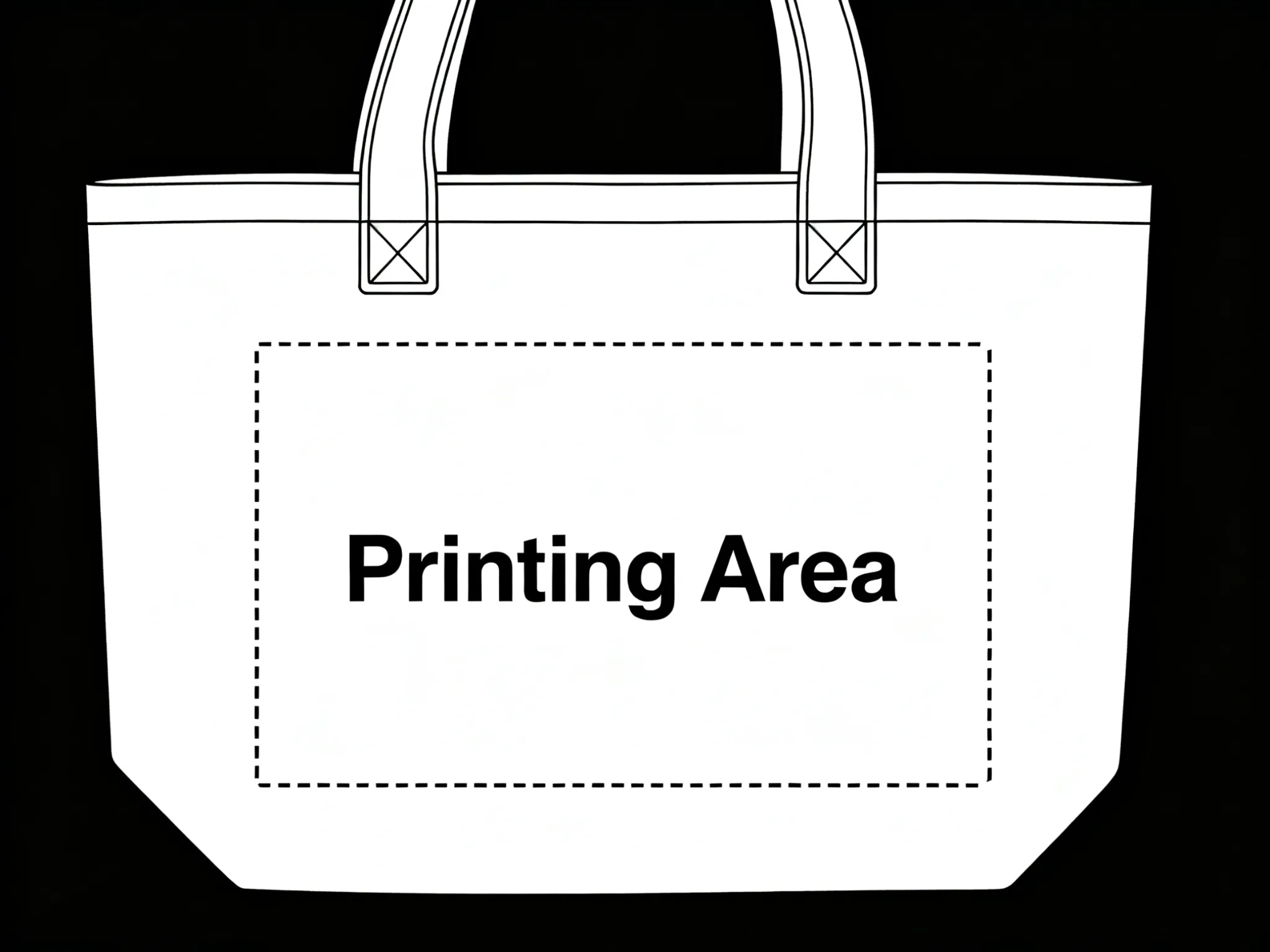
Larger dimensions provide more real estate for branding, artwork, and messaging, but they also change the visual proportions of design elements. A logo that looks perfectly sized on a medium bag might appear lost on a large tote or overwhelming on a small one.
The printable area isn’t simply the full face of the bag – practical considerations like seam allowances, handle placement, and construction methods reduce the available space. Understanding these limitations helps you plan designs that work effectively within dimensional constraints.
Different printing methods also have size limitations and cost implications that vary with bag dimensions, affecting both the feasibility and economics of various decoration approaches.
Material Selection Considerations
The relationship between dimensions and appropriate materials is crucial for both performance and cost-effectiveness. Canvas works well across all sizes but requires different weights for optimal performance – 10oz canvas might be perfect for small totes, while large bags benefit from 12oz or heavier options.
Non-woven polypropylene offers cost advantages for promotional applications but has load limitations that make it suitable primarily for smaller sizes or light-duty applications. Jute provides excellent environmental credentials and works well for medium to large sizes, while nylon offers durability and weather resistance across all size ranges.
Understanding these material-dimension relationships helps you specify combinations that deliver optimal performance while meeting cost objectives.
Tote Bag Dimensions by Industry Use
Different industries have evolved preferred dimension standards based on specific functional requirements, user expectations, and practical constraints. Understanding these industry preferences helps you choose dimensions that align with user expectations and perform well in intended applications.
Retail & Grocery
Retail and grocery applications typically favor medium to large dimensions that can accommodate diverse shopping loads. Common specifications include 40-45cm width with depths of 12-15cm and heights of 35-40cm. These dimensions allow for comfortable carrying of groceries, retail purchases, and mixed items while remaining manageable for extended periods.
Grocery-specific totes often feature reinforced bottoms and slightly taller profiles to accommodate boxed and canned goods, while fashion retail might prefer wider, shallower profiles that protect clothing and soft goods during transport.
Corporate Events & Trade Shows
Corporate and trade show applications typically center around medium-sized totes in the 35-40cm width range. These dimensions provide excellent branding visibility while remaining practical for carrying event materials, literature, and promotional items without overwhelming attendees.
The medium size strikes an ideal balance between usefulness and cost, making them practical for large-quantity orders while providing sufficient surface area for effective brand messaging and logo placement.
Schools & Libraries
Educational institutions often prefer dimensions that accommodate books, laptops, and school supplies. Common specifications include 38-42cm width and 40-45cm height, with sufficient depth to handle textbooks and binders comfortably.
Durability becomes a critical factor with school-age users, so dimensions need to work with heavier-weight materials that can withstand daily use and occasional abuse while maintaining their shape and functionality.
Hospitality & Tourism
Hotels and tourism businesses often choose larger dimensions that can serve as beach bags, shopping totes, or general travel accessories. Specifications typically range from 42-50cm width with proportional heights and depths to accommodate towels, sunscreen, souvenirs, and other travel necessities.
These applications often benefit from water-resistant materials and construction methods that can handle exposure to various weather conditions and tourism activities.
Custom Tote Bag Dimensions: What Manufacturers Need From You
When working with manufacturers for custom tote bag production, providing clear, complete dimensional specifications prevents misunderstandings, reduces sampling time, and ensures the final product matches your expectations.
How to Provide Dimension Information to Suppliers
The industry standard format for specifying custom tote bag dimensions is Width × Height × Depth (W × H × D), measured in centimeters for most international suppliers. Always specify whether measurements are for the finished bag or the flat pattern, as construction methods can affect final dimensions.
Include handle specifications in your dimensional requirements: handle length, width, and attachment method all affect the bag’s usability and construction requirements. If you have specific capacity requirements, communicate these alongside dimensions to ensure the bag design achieves your functional goals.
Bottom gusset and side gusset dimensions significantly affect capacity and appearance, so specify these clearly if your design includes them. Even small variations in gusset size can substantially change the bag’s three-dimensional shape and carrying capacity.
Common Mistakes in Dimension Specification
One of the most frequent errors is omitting depth or gusset measurements, leading to bags that appear correct in width and height but lack adequate capacity or have unexpected proportions. Another common mistake is providing only weight or capacity requirements without dimensional specifications, forcing manufacturers to guess at proportions that might not match your vision.
Unit confusion between inches and centimeters can create significant problems, especially when different team members use different measurement systems. Always specify units clearly and consistently throughout all communications with suppliers.
Failing to consider printing area requirements during dimension specification can result in bags that are functionally correct but inadequate for intended branding or decoration purposes.
How Factories Evaluate Dimensions for Sampling
Experienced manufacturers evaluate your dimensional specifications against material capabilities, construction methods, and structural requirements to ensure feasibility and optimal performance. They consider factors like fabric stretch, seaming allowances, and handle attachment methods that might affect final dimensions.
Material selection recommendations often come from manufacturers based on your dimensional requirements and intended use. Their experience helps identify potential issues early in the process, preventing costly corrections later in production.
Sampling timelines depend partly on dimensional complexity and whether your specifications fall within standard production parameters or require custom tooling and setup procedures.
Why Choose Custom Dimensions from Professional Manufacturers
Working with experienced manufacturers for custom tote bag production offers advantages that extend far beyond simple dimension accommodation. Professional suppliers bring expertise in material selection, construction optimization, and production efficiency that ensures your dimensional requirements translate into high-quality, functional products.
Comprehensive material options allow you to choose fabrics and construction methods that work optimally with your specified dimensions. From lightweight promotional materials to heavy-duty canvas options, professional manufacturers can recommend combinations that deliver the performance characteristics you need while staying within budget constraints.
Flexible minimum order quantities and rapid sampling capabilities make custom dimensions accessible for both large-scale commercial projects and smaller specialized applications. This flexibility allows you to test dimensional concepts and refine specifications before committing to large production runs.
Advanced printing and decoration capabilities ensure that custom dimensions work seamlessly with your branding requirements. Professional manufacturers understand how dimensional variations affect printing processes and can optimize both bag construction and decoration methods for optimal results.
FAQ: Tote Bag Sizes
What’s the most popular tote bag size for promotional use?
Medium-sized totes measuring approximately 38 × 42 × 12cm are the most popular for promotional applications. This size provides excellent branding visibility while remaining practical for everyday use, striking the perfect balance between utility and cost-effectiveness for corporate giveaways and marketing campaigns.
Can you provide dimension samples before production?
Yes, most professional manufacturers offer sampling services where you can receive sample bags in your specified dimensions before committing to full production. This allows you to verify size, proportions, and functionality, ensuring the final product meets your expectations perfectly.
Are larger tote bags better suited for thicker canvas materials?
Absolutely. Larger dimensions require heavier-weight materials to maintain structural integrity under increased loads. While small totes work well with 8-10oz canvas, large totes typically benefit from 12oz or heavier materials to prevent stretching, tearing, and loss of shape during use.
How do you choose the right size for corporate gifts?
Consider your recipient’s lifestyle and your brand message. Medium sizes (35-40cm width) work well for professional environments and daily use, while larger sizes make a bigger impression but might be less practical. Think about what recipients will realistically carry in the bag and choose dimensions that support regular use.
Do you support completely custom dimensions and printing?
Yes, professional manufacturers typically support fully custom
注目商品
カスタムRpet巾着袋メーカー