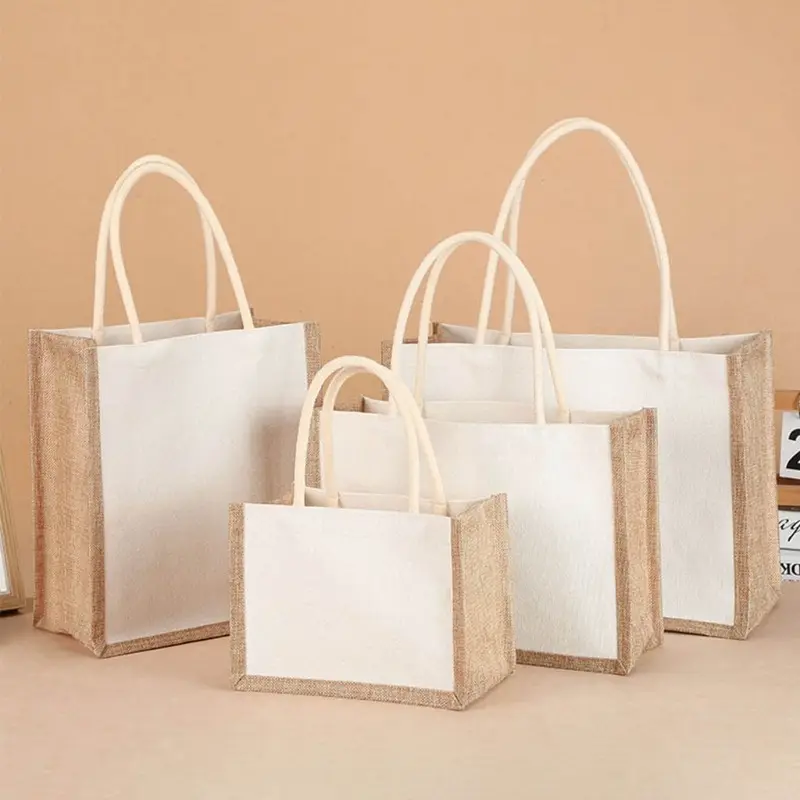
Introduction – The Growing Popularity of Digital Printing
In the dynamic world of branding and retail, custom bags serve as powerful mobile billboards, extending a brand’s reach far beyond physical stores. As consumer expectations for personalized and visually captivating products grow, so does the demand for sophisticated printing technologies. Among these, digital printing has emerged as a groundbreaking method, rapidly reshaping the custom bag industry. This technology offers unparalleled flexibility and precision, allowing brands to bring increasingly complex and vibrant designs to life on their packaging and promotional items.
The shift from traditional, labor-intensive printing methods to streamlined digital techniques underscores a broader industry trend towards greater efficiency, enhanced creativity, and reduced waste. From boutique fashion labels to expansive retail chains, a diverse array of industries is now leveraging digital printing for bags, leveraging its unique capabilities to create impactful and personalized brand statements. This guide will explore everything you need to know about custom digital printed bags, from the underlying technology to its practical applications and future trends.
What Is Digital Printing on Bags?
At its core, digital printing on bags refers to methods of printing a digital-based image directly onto a material. Unlike traditional printing processes such as screen printing or flexography, digital printing eliminates the need for physical printing plates or screens. This fundamental difference is what unlocks its unique advantages, particularly for customization and speed.
The process is akin to your office inkjet printer, but on an industrial scale and optimized for fabric. Instead of creating screens for each color or etching plates, digital data (typically in CMYK format) is directly sent to the printer. This allows for full-color flexibility, meaning designs with intricate details, photographic realism, gradients, and an unlimited color palette can be reproduced with remarkable accuracy and vibrancy. The most common types of digital printing used for bags include direct-to-garment (DTG) or direct-to-fabric inkjet printing, and sublimation printing, especially popular for polyester materials, ensuring inks infuse directly into the fabric fibers for a soft feel and excellent durability.
The Digital Printing Process Explained
Understanding the steps involved in custom digital printed bags helps in appreciating its efficiency and precision:
- Design Preparation: The journey begins with creating high-resolution digital artwork. Brands typically provide designs in CMYK (Cyan, Magenta, Yellow, Key/Black) format, which is the standard color model for digital printing, allowing for millions of color combinations.
- Material Pre-Treatment: Depending on the fabric, a pre-treatment solution may be applied. This optimizes the bag’s surface to accept the ink, improving adhesion, color vibrancy, and wash fastness. This step is particularly crucial for natural fibers like cotton.
- Printing Phase: The digital printer, often an industrial inkjet or a sublimation printer, directly applies the liquid ink onto the bag material. The printer heads move across the fabric, precisely depositing microscopic droplets of ink according to the digital file.
- Fixation and Drying: Once the ink is applied, it needs to be set. For inkjet, this often involves heat curing or UV curing, which permanently bonds the ink to the fabric fibers. For sublimation, the heat itself is part of the transfer process, turning solid dyes into a gas that impregnates the polyester fabric. This step is critical for ensuring long-lasting, fade-resistant results on your custom bags.
- Inspection and Finishing: Post-printing, each bag undergoes a thorough quality control inspection to check for color accuracy, sharpness, and any print imperfections. Finally, the bags are finished, which may include cutting, stitching, and packaging, depending on the product type.
Advantages of Digital Printing for Bags
The benefits of choosing digital printing on bags are significant, offering solutions to many common branding and production challenges:
- Precision and Detail: Digital printing excels at reproducing highly intricate designs, fine lines, subtle gradients, and even photographic realism that traditional methods often struggle with. This allows for stunning visual effects and complex branding elements.
- Speed and Efficiency: Without the need for time-consuming screen or plate setups, digital printing dramatically reduces lead times. This “print-on-demand” capability is invaluable for time-sensitive campaigns or rapid product launches for your custom bags.
- Flexibility for Small or Varied Batches: Digital printing is perfect for small production runs, personalized items, or campaigns requiring multiple design variations within a single order. This flexibility is a game-changer for niche markets and custom promotions.
- Enhanced Sustainability Profile: Modern digital printers are designed to use less ink and water compared to traditional methods. Furthermore, they are compatible with eco-friendly, water-based inks, which contribute to a greener production process and bolster your brand’s sustainability credentials.
- Cost Efficiency for Short-Runs: While the per-unit ink cost might be slightly higher than bulk screen printing, the absence of setup costs makes digital printing for bags highly economical for low to medium quantities, avoiding the high upfront investment of traditional methods.
Suitable Materials for Digital Printing
The versatility of custom digital printed bags extends to a wide array of materials. However, suitability and final print quality can vary:
| Material | Features | Suitability for Digital Printing |
|---|---|---|
| Cotton & Canvas | Absorbent, durable, natural fiber | Excellent results, especially with proper pre-treatment for vibrancy and wash fastness. |
| Polyester & Nylon | Smooth synthetic surface, often water-resistant | Requires specific pre-coating for inkjet. Ideal for sublimation (polyester blends) where ink dyes the fibers. |
| Non-woven Fabric | Lightweight, cost-effective, textured | Moderate to good quality. Print clarity can be influenced by the fabric’s irregular surface texture. |
| Tyvek & RPET | Eco-friendly, durable, unique feel | Increasingly popular. Tyvek offers a smooth, paper-like surface for crisp prints. RPET (recycled polyester) works well with sublimation. |
Note: The final color brightness and resolution of the print can significantly vary depending on the fabric’s inherent texture, color, and finish. Lighter, smoother fabrics generally yield the most vibrant and accurate digital prints.
Digital Printing vs. Traditional Printing Methods Comparisons
Comparing digital printing on bags with established techniques like screen printing and heat transfer highlights its unique positioning:
| Feature | Digital Printing | Screen Printing | Heat Transfer |
|---|---|---|---|
| Color Range | Unlimited (CMYK full-color spectrum) | Limited (typically 1-8 spot colors per design) | Full-color capable (printed onto film, then transferred) |
| Setup Time | Minimal (no screens/plates) | High (screen creation per color) | Moderate (film printing and setup) |
| Durability | Long-lasting if cured properly. (Especially sublimation) | Excellent (ink penetrates or sits robustly) | Good (can crack/peel over time if not applied well) |
| Ideal Order Size | Small–medium (typically 1-1000s) | Large (100s to 100,000s+) | Small–medium (1-few 100s) |
| Design Complexity | Highly detailed, photo-quality, gradients | Simple, bold designs, spot colors | Moderate to highly detailed (depending on film) |
| Environmental Impact | Low (less ink/water waste, eco-ink options) | Medium (chemical cleaning, ink waste) | Medium-high (plastic film waste, some inks) |
Challenges and Limitations
While custom digital printed bags offer numerous advantages, it’s important to be aware of certain limitations:
- Color Variation on Textured or Dark Fabrics: Achieving consistent, bright colors on very dark or highly textured fabrics can sometimes be challenging, potentially requiring an underbase layer which might increase cost or alter hand-feel.
- Slightly Higher Ink Cost Per Unit: For extremely large bulk orders, the per-unit ink cost in digital printing can sometimes exceed that of screen printing. However, this is usually offset by the lack of setup fees for smaller runs.
- Requires High-Quality Artwork: The “garbage in, garbage out” principle applies; to achieve photo-quality prints, the original artwork must be of very high resolution and quality.
- Limited Resistance to Extreme Abrasion: While modern digital prints are durable, for applications involving extremely high abrasion (e.g., heavy-duty industrial bags), screen printing with specific industrial inks might still offer superior resistance in some cases.
Common Applications of Digital Printed Bags
The versatility of custom digital printed bags makes them suitable for a diverse range of applications:
- Tote Bags: Used extensively for fashion, art, and retail branding, allowing for high-definition designs, intricate patterns, and detailed illustrations that capture brand essence.
- Cosmetic and Pouch Bags: Their compact size is perfect for showcasing photo-quality prints of product imagery or sophisticated branding for beauty and accessory lines.
- Promotional Bags: Ideal for short-run event bags, seasonal campaigns, or product launches where speed, design flexibility, and eye-catching visuals are paramount.
- Eco Bags: Increasingly popular for organic cotton, jute, or RPET (recycled PET) materials, especially when paired with sustainable, water-based digital inks to reinforce an eco-conscious brand message.
Tips for High-Quality Digital Printing Results
To ensure your custom digital printed bags truly shine, consider these expert tips:
- Use high-resolution vector artwork whenever possible. If not, ensure raster images are at least 300 DPI at the final print size.
- Ensure accurate color management. Provide specific CMYK color profiles or Pantone references for critical brand colors.
- Match ink type to fabric coating. Work closely with your manufacturer to select inks that are best suited for your chosen bag material and any pre-treatment.
- Conduct small-scale test prints before committing to full production, especially for new designs or unusual fabrics.
- Maintain consistent temperature and humidity in the printing environment, as these factors can affect ink drying and color consistency.
Future Trends in Digital Printing
The field of digital printing on bags is continuously evolving, with exciting innovations on the horizon:
- Integration of AI-driven color calibration: AI will further automate and refine color accuracy, ensuring consistent brand colors across different batches and materials.
- Expansion of eco-ink technologies: Expect more sustainable ink options, including those made from renewable resources or with even lower environmental footprints.
- Increased adoption of hybrid printing: The combination of digital printing with traditional methods (e.g., adding a digital detailed layer over a screen-printed base) will create unique, layered, and premium effects.
- Demand growth in small-batch, personalized packaging for e-commerce: As online retail thrives, the need for personalized custom bags for individual customers or highly specific niche marketing campaigns will drive further innovation and adoption.
Conclusion
Custom digital printed bags are more than just a passing trend; they represent a significant advancement in how brands approach packaging and promotion. This technology is redefining the standards of customization, efficiency, and environmental responsibility in bag production. Its adaptability and ability to reproduce intricate, full-color designs with speed make it suitable for a wide spectrum of businesses—from emerging creative brands seeking unique identities to large-scale wholesalers requiring rapid turnover for diverse product lines.
As the digital printing landscape continues to evolve with smarter technologies and greener solutions, it promises to further bridge the gap between creative vision and scalable production efficiency. Embracing digital printing for bags is not just about adopting a new method; it’s about investing in a versatile tool that empowers your brand to communicate its story with unparalleled clarity and impact in a competitive market.
Hot Tags: Custom Non Woven Laminated Tote Bag Wholesale China, suppliers, manufacturers, factory, wholesale, in bulk, for sale, eco friendly tote bag, cotton canvas bags, rpet bag, foldable tote bag, cotton suit garment bag, canvas cotton drawstring bags,insulated cooler bags,canvas cosmetic bag,non woven tote bags with logo
Featured Products
Drawstring non woven bag
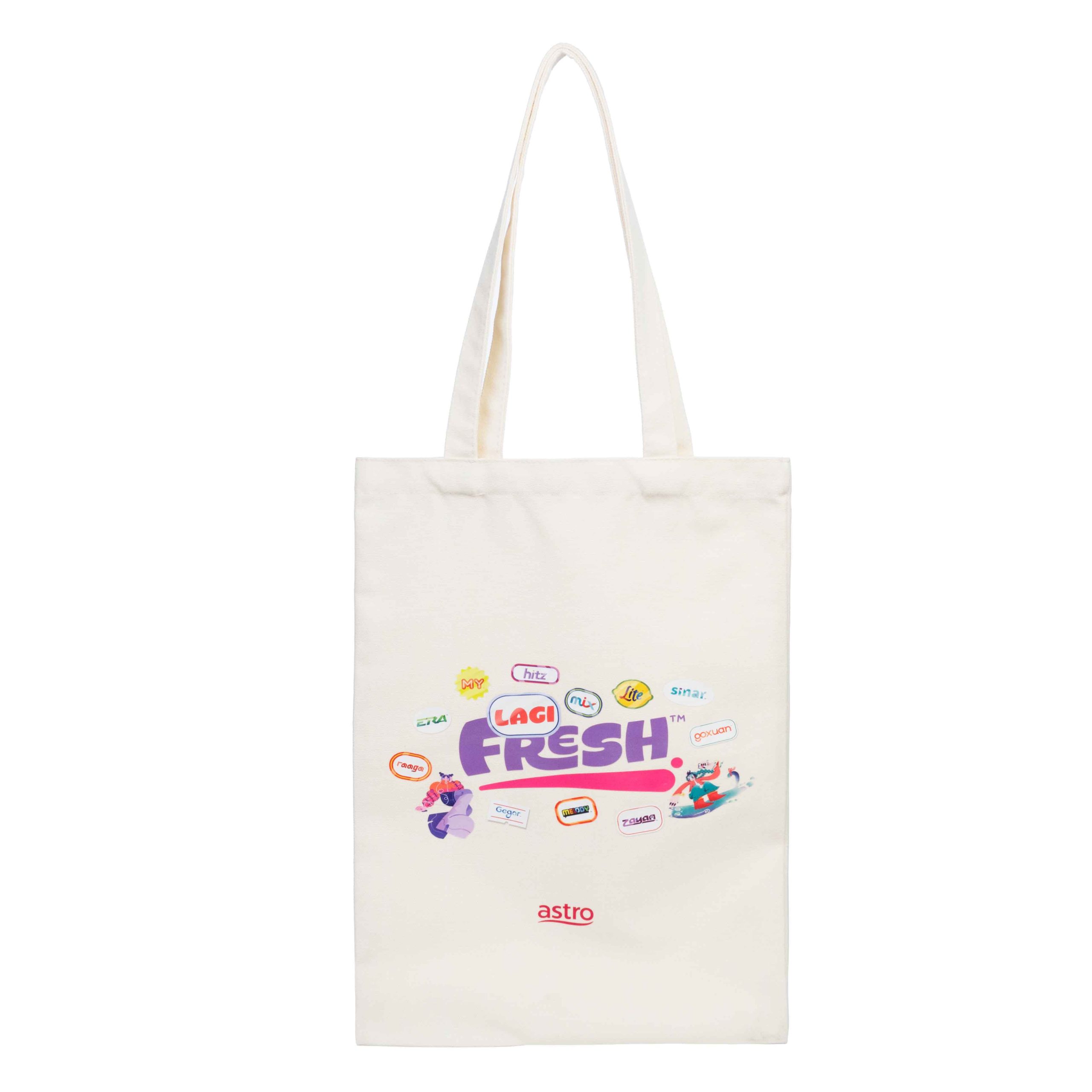
Colourful Printed White Canvas Bag